Safely Storing and Disposing of Leftover Paint: Everything You Need to Know

July 15, 2024
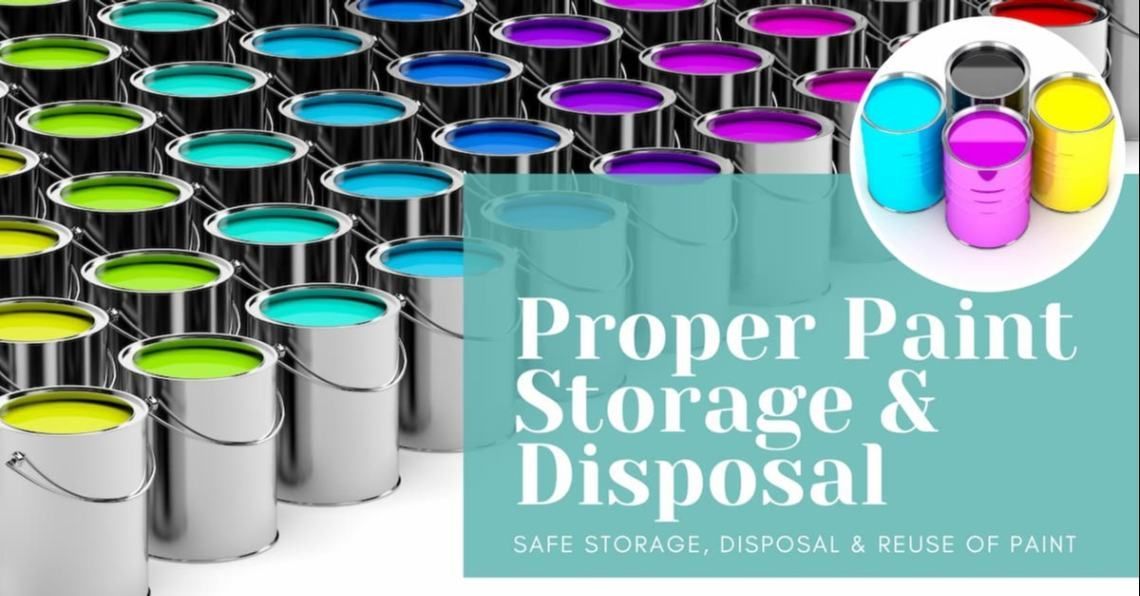
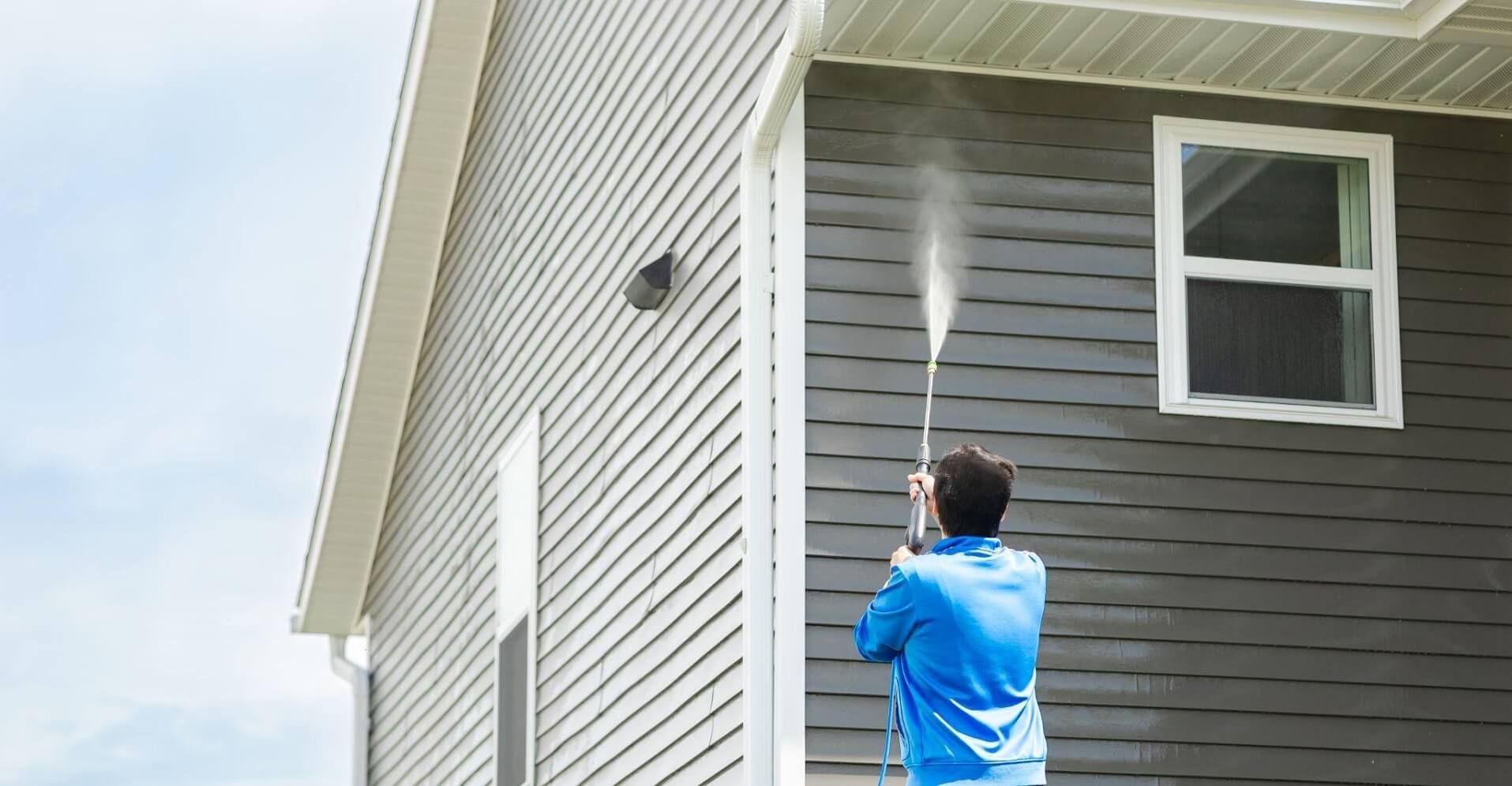
A bunch of paint cans with the words proper paint storage and disposal

Painting your home is a great way to freshen up your living space and give it a new look, however, when you have leftover paint, storing it properly is crucial to ensure not only its longevity for future needs but for safety as well. Improperly stored paint can degrade the paint's quality over time, as well as lead to some serious accidents, such as fires or explosions, and can also. In this blog, we will discuss the steps you need to take to properly store paint at home, including paint that is left over from a professional painting company.


Determine the Type of Paint


Before storing paint, it’s important that you determine the type of paint you have. Paint comes in different types, such as oil-based, water-based, and latex and each type of paint requires different storage conditions. It’s not a one size fits all type of thing.


Oil-based paint needs to be stored in a dry and cool place, away from direct sunlight and heat sources. All paints are flammable, however, oil-based paint is the most flammable, so you need to ensure that it is stored away from any flames or sparks. Water-based and latex paints are less flammable and can be stored in a slightly warmer area, but to be safe, it is always advisable to store them in a cool and protected area.


If you are storing paint that was left over from a professional painting company, it's important to also determine the type of paint they used. If you cannot tell by reading the can, you should definitely reach out to them. This information will help you determine the best way to store the paint safely.


Properly Seal the Paint Can


The next step is to properly seal the paint can. When opening a paint can, it’s important to use a paint can opener instead of a screwdriver or knife, as these tools can damage the lid of the can and make it difficult to seal up properly after.


After using paint, wipe the rim of the can clean with a rag and replace the lid. Tap the lid down gently with a rubber mallet, not a hammer, to ensure a tight seal. It's important to note that using a regular hammer can dent the lid and compromise the seal, which is what we want to avoid.


If you are storing paint left over from a professional painting company, it may already be in a sealed container. However, it's still important to check the seal and ensure that it is secure before storing it.


Store the Paint in the Right Location


After properly sealing the paint can, the next step is to store it in the right location. As mentioned earlier, oil-based paint needs to be stored in a dry and cool place, away from direct sunlight and heat sources. Water-based and latex paints can be stored in a slightly warmer area, though stored in a cool place would always prove to be best.


It's important to store the paint away from where children and pets could potentially reach it, as it can be harmful to their health if ingested. Also, make sure to keep the paint away from any sources of heat, sparks, or flames, as this can cause the paint to ignite and cause a fire or explosion.


Check the Paint Regularly


Even if the paint is stored properly, it's still important to check it regularly. Over time, the paint can separate or thicken, making it difficult to use. If you notice any changes in the paint's consistency or color, it may be time to dispose of it.


As a rule of thumb, we always suggest labeling your paint with the purchase date, the color, the type of paint, and the room or area the paint was used for. This helps you identify what paint might be expiring soon, what paint was used where, and where and how you should store the paint, be it your own purchased paint or that from a professional painting company.


Disposing of Paint


If the paint has gone bad or you no longer need it, it's important to dispose of it properly. Improperly disposed of paint is harmful to the environment and can seep into the groundwater as well as pose a risk to human health in general.


To dispose of paint, you can take it to a hazardous waste facility in your area. Many cities and towns have hazardous waste collection days or drop-off locations where you can dispose of paint and other hazardous materials safely.


Another option is to dry out the paint and dispose of it in the regular trash. To do this, you can leave the paint can open and let it air dry. Once the paint has dried, you can dispose of the can and any remaining paint in the regular trash. It's important to note that some states have specific regulations for disposing of paint, so it's best to check with your local waste management facility before disposing of paint.


Conclusion


Properly storing paint at home is essential to ensure its longevity and safety. Whether you have leftover paint from a professional painting company or have purchased paint for a DIY project, following these steps will help you properly store the paint and keep it in good condition for future use. Remember always to check the type of paint, properly seal the can, store it in the right location, check the paint regularly, and dispose of it properly when necessary.

By Aaron Cote December 22, 2025
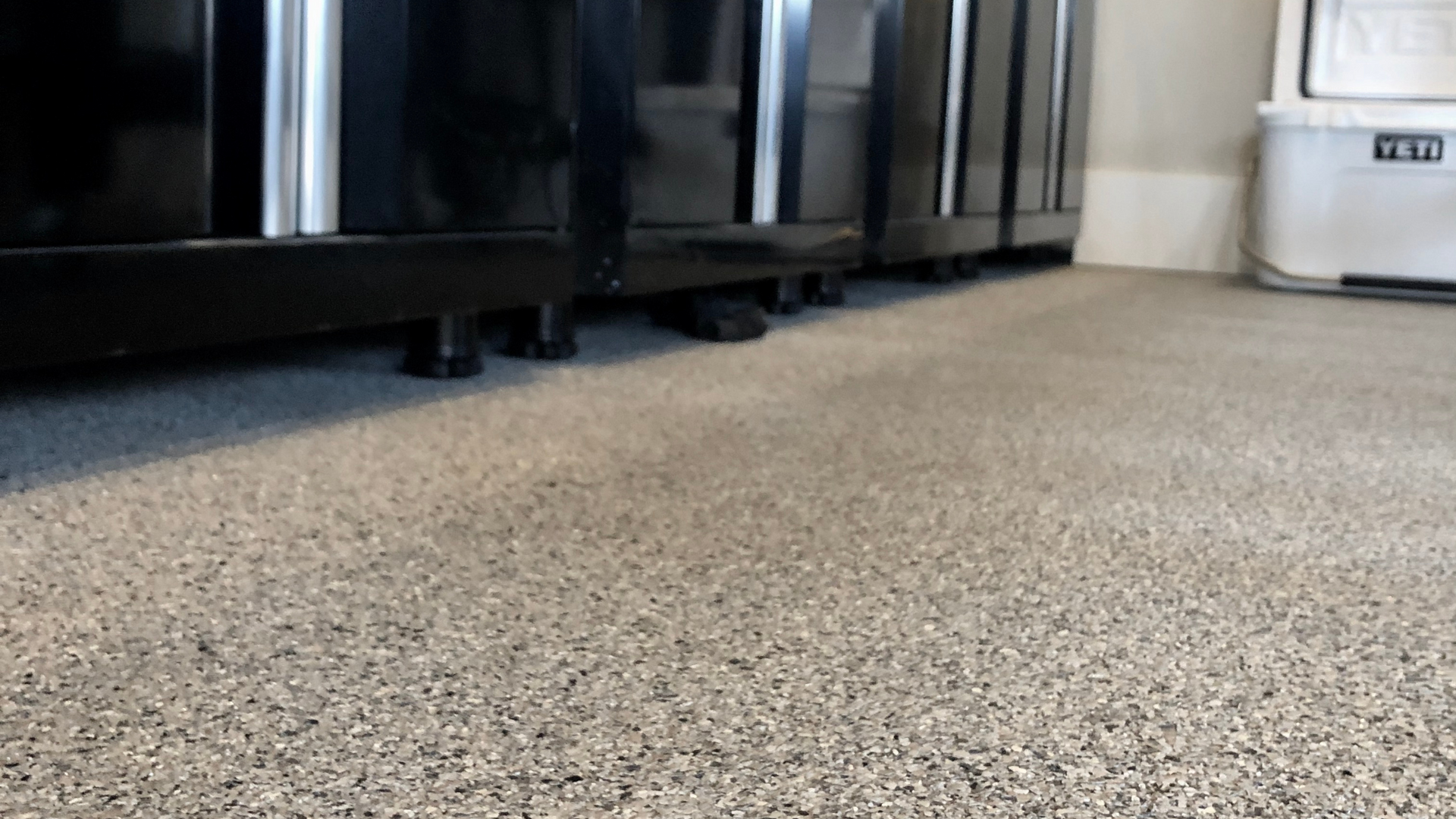
When most people think of paint, they picture color and style. But in the world of industrial painting , coatings do much more than decorate—they protect . Industrial coatings are specialized finishes engineered to shield surfaces from moisture, corrosion, chemicals, and everyday wear. From warehouses and factories to parking garages and commercial floors, these coatings create durable, functional surfaces that stand the test of time. If you own or manage a business property in Boise, understanding what industrial coatings are —and when to use them—can save you thousands in maintenance and repair costs. The Purpose of Industrial Coatings Unlike regular paint, which focuses on appearance, industrial coatings are performance-driven. They’re formulated to protect concrete, metal, and other building materials in demanding environments. These coatings create a tough, protective film that resists impact, abrasion, chemicals, and weather. In essence, industrial coatings are your property’s first line of defense. They prevent rust on metal beams, seal moisture out of concrete floors , and extend the lifespan of surfaces that endure heavy use. Whether used on warehouse floors, machinery, or exterior walls, they deliver both function and longevity . Common Types of Industrial Coatings Different coatings serve different purposes. Here are some of the most widely used types in Boise commercial and industrial spaces: Epoxy Coatings: Known for strength and adhesion, epoxy coatings are ideal for concrete floors, garages, and warehouses. They resist chemicals, oils, and abrasions while providing a smooth, easy-to-clean surface. Polyurethane Coatings: Flexible and UV-resistant, polyurethane coatings are often applied over epoxy for added protection. They work well for exteriors exposed to sunlight and temperature changes. Acrylic Coatings: Acrylics are fast-drying and suitable for both interior painting and exterior applications . They’re often used where aesthetic appeal and moderate protection are both desired. Zinc-Rich Coatings: Used primarily on steel and metal structures, these coatings provide superior corrosion resistance. The zinc acts as a sacrificial barrier, protecting the metal underneath. Elastomeric Coatings: Perfect for roofs, walls, and stucco surfaces, elastomeric coatings stretch and contract with the material underneath, sealing out moisture while maintaining flexibility. Each coating type serves a specific need, and professional painters choose products based on the surface, exposure, and environment. Key Benefits of Industrial Coatings Industrial coatings offer a long list of benefits beyond aesthetics. For Boise business owners, the investment pays off through better protection, lower maintenance, and improved safety. Durability: Coatings create a hard, resilient layer that withstands heavy machinery, traffic, and cleaning. Corrosion Resistance: Metal structures are especially vulnerable to rust and oxidation. Coatings form a barrier against water and oxygen, extending their lifespan. Chemical Protection: Industrial facilities that use solvents, oils, or acids rely on coatings to prevent surface damage and contamination. Easy Maintenance: Coated surfaces are easier to clean and maintain. Dust, dirt, and spills can be wiped away without damaging the finish. Safety and Compliance: Many coatings improve traction, reduce slip hazards, and meet OSHA safety standards—critical for warehouses and production areas. Cost Efficiency: By extending the life of existing structures and surfaces, industrial coatings reduce repair and replacement costs over time. Where Industrial Coatings Are Used Industrial coatings are found everywhere—from large commercial buildings to small workshops. Here are some of the most common applications around Boise: Warehouses and Distribution Centers: Floor coatings protect against forklifts, pallet jacks, and constant movement. Manufacturing Facilities: Coatings safeguard machinery, tanks, and production areas from chemicals and abrasion. Parking Garages: Concrete sealers and waterproof coatings prevent cracks, stains, and salt damage. Retail and Office Buildings: Exterior coatings preserve appearance and protect against weather. Healthcare and Food Service: Hygienic, nonporous coatings maintain cleanliness and meet strict sanitation standards. Agricultural and Industrial Equipment: Protective coatings prevent rust and wear on exposed metal surfaces. Wherever durability and cleanliness matter, industrial coatings deliver. Industrial Coatings vs. Regular Paint While industrial coatings and standard paint may look similar on the surface, their composition and performance are very different.
By Aaron Cote December 18, 2025
Learn how to choose the perfect paint finish for your Boise home. Discover how sheen affects style, durability, and maintenance from Spray ’n Coat Painting experts.
December 17, 2025
Yes, epoxy garage floors can be installed in winter. Learn how Spray ’n Coat controls temperature, prep, and curing for cold-weather success.
December 17, 2025
Find out if a new paint job really increases home value. Learn how interior and exterior painting can improve ROI and buyer appeal for Boise homes.
December 17, 2025
Choosing a Boise painting company? These 8 expert tips help you compare painters, avoid costly mistakes, and hire a team you can trust.
December 12, 2025
Learn what epoxy garage floor coatings actually solve in Idaho’s climate and when they’re worth the investment for Boise-area homeowners.
December 12, 2025
Learn why epoxy floors peel and how proper prep and moisture control prevent failures. Spray ’n Coat Painting outlines what to avoid for long-lasting results.
By Aaron Cote December 10, 2025
Discover the top trending interior paint colors transforming Boise homes. Learn how to refresh your space with expert color inspiration from Spray ’n Coat Painting.
By Aaron Cote November 27, 2025
Discover the best commercial painting techniques. Learn tips on interior and exterior finishes, coatings, and prep work from Spray’n’Coat Painting in Boise, ID.
November 20, 2025
See how safety line striping and floor marking improved visibility and workplace safety in this Nampa warehouse using durable epoxy coatings.
More Posts