By Aaron Cote
•
December 22, 2025
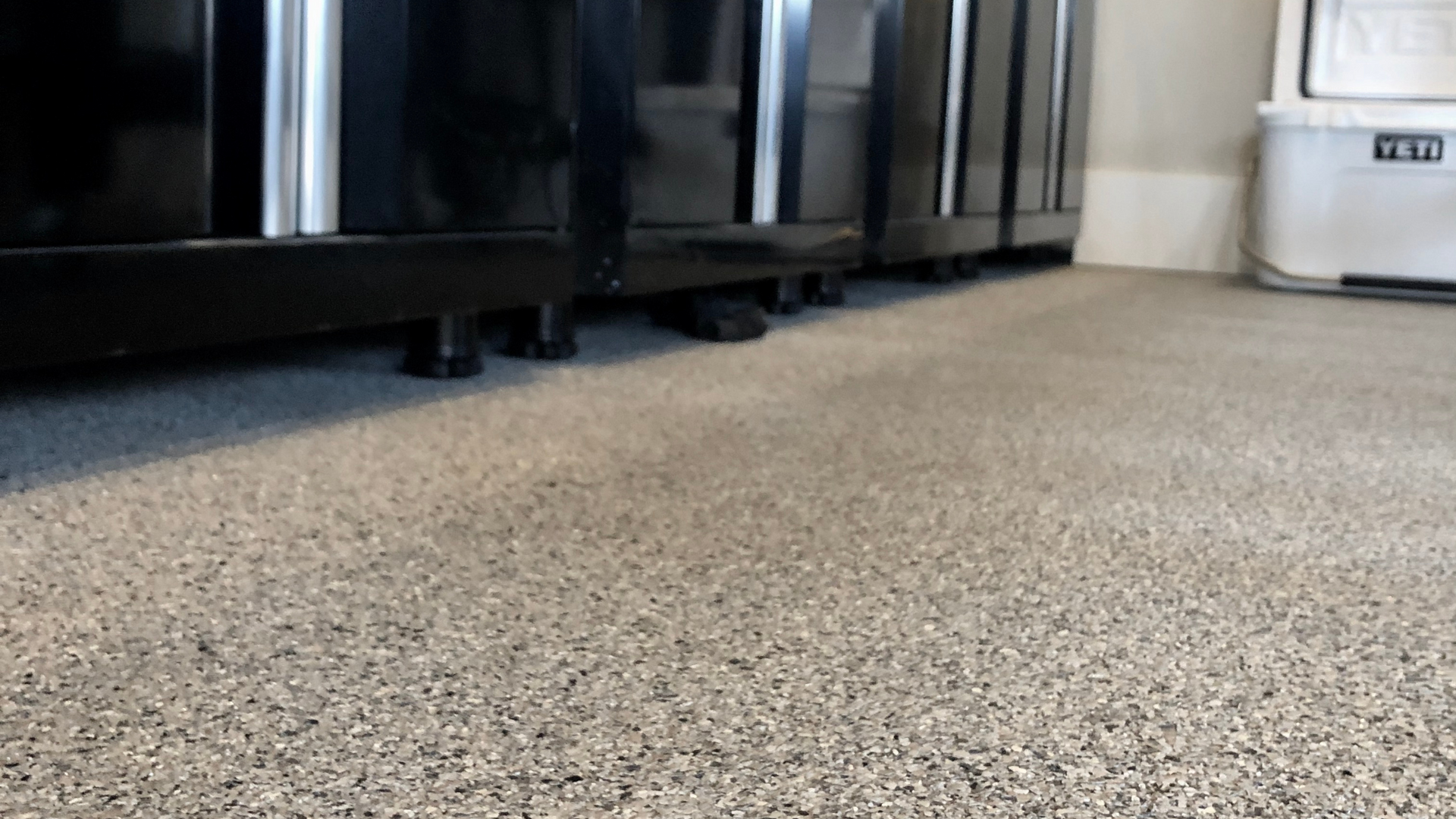
When most people think of paint, they picture color and style. But in the world of industrial painting , coatings do much more than decorate—they protect . Industrial coatings are specialized finishes engineered to shield surfaces from moisture, corrosion, chemicals, and everyday wear. From warehouses and factories to parking garages and commercial floors, these coatings create durable, functional surfaces that stand the test of time. If you own or manage a business property in Boise, understanding what industrial coatings are —and when to use them—can save you thousands in maintenance and repair costs. The Purpose of Industrial Coatings Unlike regular paint, which focuses on appearance, industrial coatings are performance-driven. They’re formulated to protect concrete, metal, and other building materials in demanding environments. These coatings create a tough, protective film that resists impact, abrasion, chemicals, and weather. In essence, industrial coatings are your property’s first line of defense. They prevent rust on metal beams, seal moisture out of concrete floors , and extend the lifespan of surfaces that endure heavy use. Whether used on warehouse floors, machinery, or exterior walls, they deliver both function and longevity . Common Types of Industrial Coatings Different coatings serve different purposes. Here are some of the most widely used types in Boise commercial and industrial spaces: Epoxy Coatings: Known for strength and adhesion, epoxy coatings are ideal for concrete floors, garages, and warehouses. They resist chemicals, oils, and abrasions while providing a smooth, easy-to-clean surface. Polyurethane Coatings: Flexible and UV-resistant, polyurethane coatings are often applied over epoxy for added protection. They work well for exteriors exposed to sunlight and temperature changes. Acrylic Coatings: Acrylics are fast-drying and suitable for both interior painting and exterior applications . They’re often used where aesthetic appeal and moderate protection are both desired. Zinc-Rich Coatings: Used primarily on steel and metal structures, these coatings provide superior corrosion resistance. The zinc acts as a sacrificial barrier, protecting the metal underneath. Elastomeric Coatings: Perfect for roofs, walls, and stucco surfaces, elastomeric coatings stretch and contract with the material underneath, sealing out moisture while maintaining flexibility. Each coating type serves a specific need, and professional painters choose products based on the surface, exposure, and environment. Key Benefits of Industrial Coatings Industrial coatings offer a long list of benefits beyond aesthetics. For Boise business owners, the investment pays off through better protection, lower maintenance, and improved safety. Durability: Coatings create a hard, resilient layer that withstands heavy machinery, traffic, and cleaning. Corrosion Resistance: Metal structures are especially vulnerable to rust and oxidation. Coatings form a barrier against water and oxygen, extending their lifespan. Chemical Protection: Industrial facilities that use solvents, oils, or acids rely on coatings to prevent surface damage and contamination. Easy Maintenance: Coated surfaces are easier to clean and maintain. Dust, dirt, and spills can be wiped away without damaging the finish. Safety and Compliance: Many coatings improve traction, reduce slip hazards, and meet OSHA safety standards—critical for warehouses and production areas. Cost Efficiency: By extending the life of existing structures and surfaces, industrial coatings reduce repair and replacement costs over time. Where Industrial Coatings Are Used Industrial coatings are found everywhere—from large commercial buildings to small workshops. Here are some of the most common applications around Boise: Warehouses and Distribution Centers: Floor coatings protect against forklifts, pallet jacks, and constant movement. Manufacturing Facilities: Coatings safeguard machinery, tanks, and production areas from chemicals and abrasion. Parking Garages: Concrete sealers and waterproof coatings prevent cracks, stains, and salt damage. Retail and Office Buildings: Exterior coatings preserve appearance and protect against weather. Healthcare and Food Service: Hygienic, nonporous coatings maintain cleanliness and meet strict sanitation standards. Agricultural and Industrial Equipment: Protective coatings prevent rust and wear on exposed metal surfaces. Wherever durability and cleanliness matter, industrial coatings deliver. Industrial Coatings vs. Regular Paint While industrial coatings and standard paint may look similar on the surface, their composition and performance are very different.